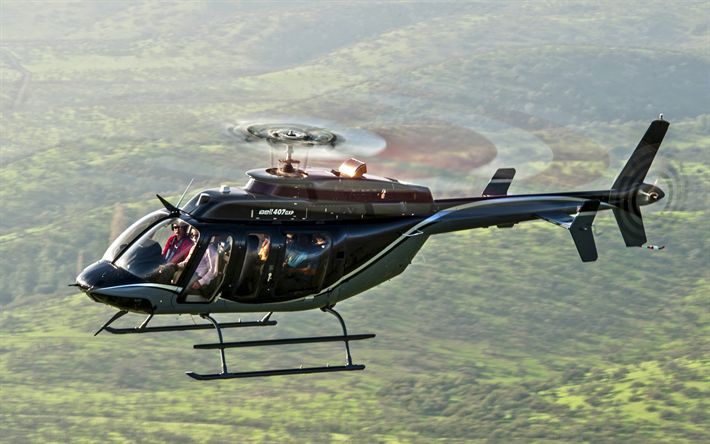


Discover how private aviation works in Indonesia, from private jets and helicopters to remote island routes, charter costs, and seamless luxury travel planning. Private aviation offers a way to move between Indonesia’s major gateways and its more remote destinations with greater flexibility, privacy and time efficiency than scheduled air travel.
From a private jet between Jakarta and Bali to a helicopter transfer into a remote island retreat, private aviation can become more than a means of transportation — it can be the infrastructure that connects an entire journey. This complete guide explains how private aviation works in Indonesia, the aircraft available, the most useful routes and airports, indicative charter costs, safety and regulatory considerations, how to choose a trusted operator, and how international travellers can plan a seamless private aviation journey across the archipelago.
Key Takeaways
- Private aviation in Indonesia includes private jet, turboprop and helicopter charter, as well as multi-leg and bespoke aircraft arrangements.
- Bali is the country’s primary gateway for luxury private aviation, but destinations such as Sumba, Labuan Bajo, Lombok, Sumbawa and Raja Ampat can also be incorporated into private itineraries.
- Private jets are generally better suited to longer inter-island journeys, while helicopters are particularly useful for shorter transfers and remote-access journeys.
- Charter pricing is not fixed. Aircraft type, route, positioning, passenger numbers, luggage, airport fees, permits and operational requirements can all affect the final quotation.
- Indonesia’s aviation environment involves specific operational and regulatory requirements, particularly for international and non-scheduled flights.
- The best private aviation solution is not necessarily the most expensive aircraft — it is the aircraft and routing that best match the journey, passenger profile and destination.
What Is Private Aviation in Indonesia?
Private aviation refers to air travel arranged outside the normal scheduled airline network. Instead of purchasing a single seat on a published commercial flight, a traveller or group can charter an entire aircraft for a specific journey, with departure times, routes, origin and destination airports, and the level of privacy and in-flight experience fully tailored to their needs.
The key distinction from commercial flying — including business or first class — is flexibility. A scheduled airline operates according to a published route and timetable, while a private charter is designed around the requirements of the journey, subject to aircraft availability, airport capabilities, weather, and applicable aviation regulations.
Regulatory Framework in Indonesia
Indonesia’s aviation regulations classify this service as non-scheduled commercial air transport — operations conducted on routes and schedules that are not fixed or regular, with fares negotiated directly between the provider and the passenger rather than publicly published. For the traveller, this means private aviation is less about buying a ticket and more about designing a tailored aircraft solution around a specific journey.
Why Private Aviation Matters in Indonesia

Private aviation is particularly relevant in Indonesia because of the country’s geography. Travelling between two destinations that look relatively close on a map can involve a combination of flights, road transfers, ferries and overnight stays. When the itinerary includes several islands, these connections can quickly consume valuable travel time.
Private aviation offers another way to approach the journey. Instead of starting with the question “Which commercial flight should I take?”, travellers can start with: “What is the most efficient way to get from here to my final destination?” That difference in perspective matters.
1. Saving Time Between Islands
A commercial itinerary often involves fixed departure times, airport queues, baggage collection and connections. With a private charter, the schedule can be built around the traveller, subject to aircraft availability, airport operating conditions and applicable regulations. For someone spending only a week or two in Indonesia, removing unnecessary travel time can make it possible to experience another destination without extending the trip.
2. Reaching Remote Destinations
Some of Indonesia’s most sought-after luxury destinations are intentionally remote. Sumba is a good example — its appeal lies partly in the distance from the more developed tourism centres of Bali. The same is true of destinations around Komodo, Sumbawa and some of Indonesia’s more secluded islands. In these cases, private aviation can be used as the connection between a major gateway and the destination itself.
3. More Privacy
For families, executives, celebrities and other high-profile travellers, privacy can be as important as speed. A private charter means travelling with the people in your group rather than sharing a cabin with other passengers. It also provides greater control over the travel environment, from departure timing to catering and ground arrangements.
4. More Flexible Itineraries
Private aviation becomes particularly useful when a trip involves several destinations. Consider an itinerary such as:
Bali → Sumba → Labuan Bajo
Using scheduled flights may require returning through a major hub between destinations. A private aircraft can potentially make the routing more direct, depending on aircraft availability and airport suitability. The result is a journey designed around the traveller rather than the airline network.
Types of Private Aviation Services in Indonesia
Private aviation is a broad term. It does not necessarily mean a large private jet. Depending on the route and requirements, a private aviation journey may use a light jet, midsize jet, turboprop or helicopter — and it can also involve more than one aircraft during the same trip.
1. Private Jets
Private jets are generally the preferred option for longer inter-island journeys and international travel. They offer speed, privacy and a comfortable environment for small groups, while larger aircraft can accommodate more passengers and luggage.
The right aircraft depends on the route rather than simply the number of seats. Flight distance, runway requirements, passenger weight, luggage, weather and aircraft positioning can all affect which aircraft is suitable.
2. Turboprops
Turboprops can be particularly useful for regional and island travel. They generally operate at lower speeds than jets but can be an efficient solution for shorter routes and certain regional airports. For some destinations in Indonesia, a turboprop may make more operational sense than a larger jet.
3. Helicopters
Helicopters serve a different purpose. Rather than replacing a private jet on a long journey, they are often used for the final part of a trip.
A helicopter can connect an airport with a resort, private island, yacht or other approved landing location, significantly reducing the amount of road or sea travel involved. This is particularly relevant in Bali, Sumba, Lombok and other destinations where luxury properties are located away from major airports.
4. Empty-Leg Flights
An empty leg is a repositioning flight on which the aircraft would otherwise travel without passengers. If a traveller’s itinerary matches the aircraft’s positioning requirement, an empty leg can sometimes offer a more attractive charter price.
The trade-off is flexibility — the route and timing are determined by the aircraft’s existing schedule, so empty legs are best considered an opportunity rather than a guaranteed travel option.
Common Private Aviation Service Models
| Model | Description |
| Jet charter | Renting an aircraft for a single trip or a series of trips |
| Fractional ownership | Owning a share of an aircraft with guaranteed usage hours per year |
| Jet card / membership | Access to aircraft under predefined hourly rates and terms |
The Best Private Aviation Routes in Indonesia
There is no single route that defines private aviation in Indonesia. The most valuable routes are usually the ones where private flying solves a genuine logistical problem.
Bali to Sumba
Bali is one of the most convenient international gateways into Indonesia, while Sumba offers a very different style of luxury travel — known for its remote landscapes, beaches, traditional culture and low-density resorts. For travellers staying in western Sumba, Tambolaka is often the relevant gateway; depending on the final destination, additional ground or helicopter transfers may be required. A private aircraft can make the Bali–Sumba connection considerably easier to incorporate into a short luxury itinerary.
Bali to Labuan Bajo
Labuan Bajo is the gateway to Komodo National Park and one of the most important destinations in Indonesia’s luxury travel landscape. Private aviation from Bali to Labuan Bajo is particularly useful here when the flight forms part of a wider itinerary, allowing the flight and yacht to be planned as one continuous experience rather than separate bookings.
Bali to Lombok
Bali and Lombok are relatively close geographically, but the right mode of transport depends heavily on where the traveller is staying. For a resort in a remote part of Lombok, a helicopter transfer may be more useful than a private jet; for a wider multi-island itinerary, private aircraft can become more practical.
Bali to Sumbawa
Sumbawa remains considerably less developed as a luxury destination than Bali or Lombok — and that is precisely where private aviation can become valuable, offering a more direct solution than relying entirely on scheduled connections and lengthy surface transfers.
Labuan Bajo to Sumba
For travellers combining Komodo and Sumba, flying directly between the two destinations can create a more logical itinerary than returning to Bali. The feasibility of the route depends on the aircraft, airport conditions, date and operational requirements, so it should be assessed on a case-by-case basis.
Jakarta to Bali
Jakarta remains Indonesia’s principal business and commercial centre. For executives and international travellers beginning their Indonesian journey in the capital, a private charter to Bali can provide greater flexibility than a scheduled connection — relevant to corporate travel, family offices and travellers combining business in Jakarta with leisure in Bali.
Bali to Raja Ampat
Raja Ampat is among Indonesia’s most remote destinations and requires more planning than a typical Bali-to-island journey. Private aviation can form part of the solution, but the final itinerary may also involve additional domestic aviation, road and sea transfers. For destinations like Raja Ampat, the important question is therefore not simply which aircraft to charter, but how the entire journey will be coordinated.
How Much Does Private Aviation Cost in Indonesia?

Private aviation does not have a standard fare. Unlike a commercial airline ticket, where the same flight may have published economy and business-class fares, a private charter is priced around the aircraft and the specific mission.
Several factors can influence the final quotation:
- Aircraft type
- Flight duration
- Passenger numbers
- Luggage
- Aircraft positioning
- Fuel
- Airport and handling fees
- Landing charges
- Permits and operational requirements
- Crew requirements
- Overnight costs
- Availability
- Seasonality
This is why two private aircraft quotations for the same route can look very different.
How Private Aviation Operates in Indonesia
In Indonesia, private aviation runs through a network of operators, aircraft owners, and management companies handling operations, permits, and safety. For travellers, the key is understanding the booking journey:
- Initial consultation — Travellers share their route, dates, number of passengers, timing preferences, and any special needs (children, elderly guests, diving gear, photography equipment, etc.).
- Tailored proposal — The provider suggests aircraft types, route options, estimated flight times, and an indicative price. Often, several options are presented to balance budget and comfort.
- Confirmation and payment — Once the traveller chooses an option, the process moves to contract signing and payment.
- Pre-flight preparation — The operations team arranges slots, ground handling, catering, and any special requests before the flight date.
- Day-of-departure — Travellers arrive at a private terminal or VIP area, clear a simplified check-in and security process, then board the aircraft and depart.
Tips for Choosing a Trusted Private Aviation Operator
Not every operator offers the same level of safety, service or transparency, and the right choice can make a significant difference to how a journey unfolds. A few things are worth checking before booking:
- Safety certification and licensing. Confirm the operator holds valid Indonesian aviation authority approvals and that aircraft and crew meet current safety and maintenance standards.
- Fleet quality and maintenance records. A well-maintained, modern fleet with transparent maintenance history reduces the risk of delays or last-minute aircraft changes.
- Transparent pricing. A trustworthy operator provides a clear, itemised quotation upfront, rather than a vague estimate followed by unexpected charges.
- Local operational experience. Indonesia’s geography, weather patterns and remote airstrips require genuine familiarity with the country’s routes, airports and permit requirements — not just general charter experience.
- Personalised, responsive service. Look for an operator that tailors the aircraft and itinerary to the traveller rather than offering a one-size-fits-all package, and that remains reachable before, during and after the flight.
- Reputation and track record. Client references, verified reviews and a demonstrated history of operating successfully in Indonesia are strong indicators of reliability.
This is the standard ÆTHER Aviation is built around. By combining certified aircraft, deep local operational knowledge and a fully tailored planning process, ÆTHER Aviation helps travellers move through Indonesia’s islands with the safety, transparency and personal attention a private journey should deliver.
Planning Your Private Aviation with ÆTHER Aviation!
Indonesia is not a country that needs to be experienced from a single base. Its most memorable journeys often involve moving between very different landscapes — from Bali’s cultural and culinary scene to the remote beaches of Sumba, the waters of Komodo and the quieter islands of eastern Indonesia.
Private aviation makes those connections easier to plan around the traveller’s time. The right solution might be a private jet between two major destinations, a helicopter transfer to a remote resort, or a combination of aircraft, yacht and ground transportation designed around a single itinerary.
At ÆTHER Aviation, the focus is on making those connections work seamlessly — turning private jet, turboprop and helicopter travel across Indonesia into one coordinated, effortless journey from start to finish.